

Our Top Shopping Cart Recommendation
-
No on-going fees
-
Sell more courses and products
-
Built in Drag n Drop course creator
How to sell digital and physical products online: Selling products online has become a popular way to reach a wider audience and increase profits.
Whether you have a physical product or a digital one, there are many options available to help you sell your products online.
In this article, we will explore some of the best practices for selling both digital and physical products online.
Key Takeaways
- Creating and designing your products or course is an important step in selling digital products online.
- Maintaining customer service and relations is crucial when selling physical products online.
- Utilizing membership and subscription models can help increase revenue for both digital and physical products.
Table of Contents
Digital products are intangible goods that can be downloaded or accessed online, such as ebooks, templates, software, and online courses.
Here are some tips to help you sell digital products successfully:
Creating and Designing Your Products or Course
When it comes to selling digital or physical products online, creating and designing your product or course is a crucial step.
It’s essential to ensure that your product stands out in the market and appeals to your target audience.
Content Creation

Whether you’re creating an eBook, course, or digital product, content creation is at the heart of it all.
The content you create must be engaging, informative, and valuable to your target audience.
You must research your audience’s needs and preferences to create content that resonates with them.

Designing Graphics and Digital Art
Designing graphics and digital art is an integral part of creating digital products.
Whether it’s designing book covers, illustrations, icons, or logos, the design must be visually appealing and align with your brand’s image.
You can use design tools like Canva, Adobe Creative Suite, or Figma to create high-quality graphics and digital art.
Creating Digital Templates
Digital templates are an excellent way to offer value to your audience while saving time and effort.
For example, creating social media templates, website templates, or email templates.
They can help your audience streamline their work processes.
You can create digital templates using design tools like Canva or Adobe Creative Suite.

Writing and Formatting
If you’re creating an eBook or course, writing and formatting are essential elements.
Your writing must be clear, concise, and engaging, and the formatting must be easy to read and visually appealing.
You can use tools like Microsoft Word or Google Docs to write and format your content.
Creating Infographics and PDFs
Infographics and PDFs are excellent tools to communicate complex information effectively.
Whether it’s creating an infographic to explain a concept or a PDF to provide additional resources, they can add value to your digital product.
Again, you can use design tools like Canva or Adobe Creative Suite to create high-quality infographics and PDFs.

Marketing Your Products
Once your online store is up and running, your next step is to market your products to potential customers.
Here are some effective marketing strategies to help you get started:
Social Media Marketing
Social media platforms like Facebook, X, and YouTube are great places to promote your products and engage with your audience.
By creating a business page on these platforms, you can showcase your products, share updates, and interact with customers.

Content Marketing
Content marketing involves creating valuable and informative content that attracts and engages your target audience.
This can include blog posts, videos, infographics, and more.
By creating content that is relevant to your products and your audience, you can establish your brand as an authority in your industry and drive more traffic to your online store.
Advertising
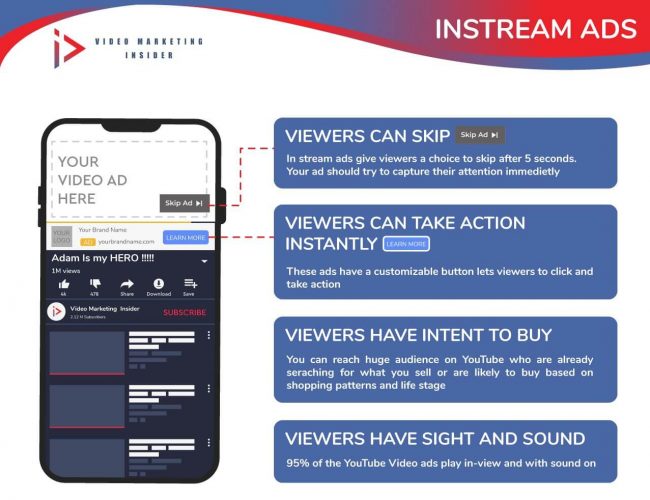
Paid advertising can be an effective way to reach a wider audience and promote your products.
Google Ads, YouTube ads and Facebook Ads allow you to target specific demographics and interests, ensuring that your ads are seen by the right people.
Email Marketing
Email marketing is a powerful tool for promoting your products and staying in touch with your customers.
By building an email list and sending regular newsletters and promotions, you can keep your audience engaged and drive more sales.

Selling Digital Products
If you are looking to sell digital products online, you have come to the right place.
Selling digital products is a great way to make money without having to deal with physical inventory, shipping, and handling.
In this section, we will discuss why you need a shopping cart when selling digital products.

Why You Need a Shopping Cart
A shopping cart is an essential tool for selling digital products online.
It allows customers to browse your products, add them to their cart, and checkout.
Here are some reasons why:
- Secure Payment Processing: A shopping cart provides a secure way to process payments. It ensures that your customers' payment information is safe and protected.
- Automated Delivery: A shopping cart can automate the delivery of your digital products. Once a customer makes a purchase, the shopping cart can send them a download link or provide access to a membership site.
- Easy Management: A shopping cart makes it easy to manage your digital products. You can add new products, update prices, and manage inventory all from one place.
- Free Trials: A shopping cart can also offer free trials for your digital products. This is a great way to attract new customers and increase sales.

Types of Digital Products
There are many types of digital products that you can sell online.
- Online Courses: Online courses are a popular type of digital product. You can create courses on almost any topic, from photography to marketing.
- Ebooks: Ebooks are another popular type of digital product. You can write ebooks on a variety of topics, from self-help to cooking.
- Audio Files: Audio files, such as MP3s, are a great way to sell digital products. You can create audio files for meditation, guided tours, or even music.
- Templates: Templates are another type of digital product that you can sell. You can create templates for resumes, social media posts, or even PowerPoint presentations.
When creating digital products, make sure they are high-quality and provide value to your customers.
Creating Digital Products
Creating digital products can be a fun and rewarding process.
Here are some tips:
- Choose a Product Idea: Choose a product idea that you are passionate about and that has a market demand.
- Create Your Product: Once you have a product idea, create your digital product. Use high-quality images, videos, and audio to make your product stand out.
- Price Your Product: Price your product competitively. Research your competitors and make sure your pricing is in line with the market.
- Market Your Product: Market your digital product using social media, email marketing, and other online channels. Create a landing page for your product and include a call-to-action to encourage conversions.
Selling digital products online can be a lucrative business.
By creating high-quality digital products and using a shopping cart, you can reach a global audience and generate passive income.
Maintaining Customer Service and Relations
Maintaining good customer service and relations is crucial for any business, especially when selling products online.

Respond Promptly to Customer Inquiries
One of the most important aspects of customer service is responding promptly to customer inquiries.
Whether it’s an email, phone call, or social media message, make sure you respond as quickly as possible.
This shows your customers that you value their time and are committed to providing excellent service.
Provide Accurate Product Information
This includes product descriptions, specifications, and pricing.
Make sure your customers have all the information they need to make an informed decision about their purchase.

Offer Easy Returns and Refunds
Another important aspect of customer service is offering easy returns and refunds.
If a customer is not satisfied with their purchase, make it easy for them to return the product and get a refund unless your policy states otherwise.
This shows your customers that you stand behind your products and are committed to their satisfaction.

Keep Your Customers Informed
Keeping your customers informed is another important aspect of customer service.
This includes providing updates on their order status, shipping and delivery times, and any other relevant information.
Make sure your customers are always in the loop and know what to expect.
Engage with Your Customers
Engaging with your customers is a great way to build relationships and keep them coming back for more.
This includes responding to their comments and reviews on social media, replying to their emails, offering special promotions and discounts, and providing excellent service every step of the way.

Protecting Your Digital Products
When selling digital products online, one of the biggest concerns is protecting your intellectual property.
You want to make sure that your hard work is not stolen or used without permission.
Here are some ways to protect your digital products:
Control Access to Your Digital Products
One way to protect your digital products is by controlling access to them.
This means that you only allow people who have purchased your product to access it.
You can do this by using a membership site or password-protecting your digital files.
By controlling access, you can prevent people from sharing your product with others who have not paid for it.
Secure Your Digital Products
Another way to protect your digital products is by securing them.
This means that you use encryption or other security measures to prevent unauthorized access to your digital files.
You can also use digital watermarks to track your digital products and identify any unauthorized copies.
Utilizing Membership and Subscription Models
If you want to sell digital or physical products online, it’s important to consider utilizing membership and subscription models.
These models can provide a steady stream of recurring revenue and help build a loyal customer base.
Here are some tips on how to effectively use membership and subscription models to sell your products online:
Membership Models
A membership model is a way to provide exclusive access to your products or services to a select group of customers.
This can be a great way to build a community around your brand and create a sense of exclusivity.
Some tips for utilizing a membership model include:
- Offer exclusive content or products to members
- Provide discounts or special offers to members
- Create a sense of community by offering a members-only forum or group
- Consider offering different levels of membership with varying benefits and price points
Subscription Models
A subscription model is a way to provide ongoing access to your products or services for a recurring fee.
This can be a great way to create a predictable stream of revenue and build a loyal customer base.
- Offer a free trial or introductory offer to entice customers to sign up
- Provide regular updates or new content to keep customers engaged
- Consider offering different subscription tiers with varying benefits and price points
- Make it easy for customers to manage their subscription, such as offering an easy cancellation process
When implementing membership and subscription models, it’s important to choose a reliable payment and management platform.
Look for a platform that offers low transaction fees and features such as easy customer management, subscription management, and reporting tools.
Some popular platforms for selling memberships and subscriptions include Wishlist, ThriveLearn, and Shopify.

Maximizing Revenue
When selling products online, maximizing revenue is key to ensuring profitability.
Here are some tips to help you maximize your revenue:
Offer Bundled Products
One way to increase your revenue is by offering bundled products.
This means grouping together related products and selling them as a package deal.
Bundling products can help increase sales and revenue, as customers are more likely to purchase multiple items at once when they are offered at a discount.
Upsell Your Products
Another way to maximize revenue is by upselling your products.
Upselling involves offering customers an addition to the product they are already interested in.
This can be done by highlighting the features and benefits of the upgraded product and showing how it can better meet the customer’s needs.
Upselling can result in higher profit margins, as customers are willing to pay more for a better product.

Cross-Sell Related Products
Cross-selling is another effective way to maximize revenue.
This involves offering customers related products that complement the product they are already interested in.
For example, if a customer is purchasing a camera, you could offer them a lens or a camera bag.
Cross-selling can help increase sales and revenue, as customers are more likely to purchase related products when they are offered at the same time.
Maintain a High Profit Margin
To maximize revenue, it’s important to maintain a high profit margin.
This means keeping your costs low and charging a price that allows you to make a profit.
When setting prices, consider the cost of goods sold, overhead costs, and the value of the product to the customer.
By maintaining a high profit margin, you can ensure that your business is profitable and sustainable.
Create Opportunities for Passive Income
Finally, creating opportunities for passive income can help maximize revenue.
This involves creating products that can be sold repeatedly without requiring additional work on your part.
For example, creating an eBook or a course can provide a source of passive income.
By creating products that can be sold repeatedly, you can increase your revenue without increasing your workload

Leveraging Automation and Software
When it comes to selling products online, leveraging automation and software can make a huge difference in your success.
With the right tools, you can streamline your processes, reduce manual labor, and improve your efficiency.
This section will cover some of the ways you can use automation and software to sell your digital and physical products online.
Automate Your Sales Process
One of the best ways to leverage automation is to automate your sales process.
This can be done with the help of software like ThriveCart, which allows you to sell digital products with ease.
With this software, you can automate the entire sales process, from payment processing to product delivery.
This means that you can focus on creating great products and marketing them, while the software takes care of the rest.
Streamline Your Operations
In addition to automating your sales process, you can also use software to streamline your operations.
For example, you can use project management software like Trello or Asana to manage your team and your projects.
This will allow you to keep track of your tasks, deadlines, and progress, and ensure that everyone is on the same page.
Improve Your Customer Experience
Finally, you can use software to improve your customer experience.
For example, you can use a customer relationship management (CRM) system like Salesforce or Zoho to manage your customer interactions.
This will allow you to track your customer interactions, provide personalized support, and improve your overall customer experience.
Targeting Small Businesses and Bloggers
If you are looking to sell digital or physical products online, small businesses and bloggers can be a lucrative target audience.
Both groups are often looking for ways to expand their offerings and increase revenue, and they may be more open to working with independent sellers.
To effectively target small businesses and bloggers, consider the following strategies:
Offer personalized solutions: Small businesses and bloggers often have unique needs and challenges. By offering personalized solutions and tailored recommendations, you can show potential customers that you understand their specific pain points and are invested in their success.
Provide excellent customer service: Small businesses and bloggers may be more likely to work with independent sellers if they feel confident in the level of support and service they will receive. Make sure to respond promptly to inquiries, provide clear and accurate information, and be available to address any concerns or issues that may arise.
Emphasize affordability and value: Small businesses and bloggers may have limited budgets, so it’s important to emphasize the affordability and value of your products. Consider offering discounts or special promotions to attract new customers and encourage repeat business.
Highlight your expertise: Small businesses and bloggers may be more likely to work with sellers who have expertise in their specific industry or niche. Make sure to highlight your relevant experience and knowledge, and provide examples of how your products can benefit their business or blog.
Saving Time and Resources
When it comes to selling products online, one of the biggest advantages of selling digital products is that they can save you a lot of time and resources.
Here are some ways that selling digital products can help you streamline your business operations:
- No need for physical inventory: With digital products, you don’t need to worry about storing and managing physical inventory. This means you can save money on storage space, packaging, and shipping costs. You also don’t have to worry about managing returns or dealing with damaged products.
- Automated delivery: Digital products can be delivered automatically, which means you don’t have to spend time manually fulfilling orders. You can set up your website to deliver the product as soon as the customer completes the purchase. This can save you a lot of time and resources in the long run.
- Flexible pricing: With digital products, you have more flexibility when it comes to pricing. You can experiment with different price points and adjust them easily based on demand. This can help you maximize your profits and save time by not having to constantly monitor and adjust prices.
- Easy updates and revisions: Digital products can be updated and revised easily, which means you can make changes quickly and without any additional costs. This can be especially useful if you’re selling software or other digital products that require regular updates.
Developing Expertise

To sell digital or physical products online, you need to have expertise in your chosen niche.
Being knowledgeable about your products and your target audience is crucial to creating a successful online business.
One way to develop expertise is through e-learning.
There are many educational products available online that can help you learn more about your niche.
You can take courses, read e-books, and watch videos to gain a better understanding of your industry.
Another way to develop expertise is to network with others in your field.
Attend conferences and trade shows to meet other professionals and learn from their experiences.
Join online forums and social media groups to connect with like-minded individuals and stay up-to-date on industry trends.
You can also develop expertise by conducting your own research.
Use online resources such as blogs, forums, and industry publications to stay informed about the latest developments in your niche.
Conduct surveys and gather data to gain a better understanding of your target audience and their needs.

Pricing Your Products
When it comes to selling your products online, one of the most important decisions you will make is how to price your products.
Pricing your products correctly can mean the difference between success and failure.
Here are some tips to help you price your products effectively:

Know Your Costs
Before you can set a price for your products, you need to know how much it costs to produce them.
This includes not only the cost of the materials and labor, but also any overhead costs such as rent, utilities, and marketing.
Once you know your costs, you can set a price that covers your expenses and provides a profit.
Consider Your Competition
Research your competition and see what they are charging for similar products.
This will give you an idea of what the market will bear and help you set a competitive price.
Keep in mind that you don’t necessarily need to have the lowest price to be successful.
If you offer a higher quality product or better customer service, you can charge a premium price.

Value-Based Pricing
Value-based pricing is a pricing strategy that sets prices based on the perceived value to the customer.
This means that you can charge a higher price for a product that provides more value to the customer.
For example, if you are selling an e-book that provides valuable information that is not available elsewhere, you can charge a higher price than if you were selling an ebook on the same topic.

Tiered Pricing
Tiered pricing is a pricing strategy that offers different prices for different levels of service or features.
For example, you could offer a basic version of your product for a lower price, and a premium version with more features for a higher price.
This allows you to appeal to different segments of the market and maximize your revenue.

Pay What You Want
Pay what you want pricing is a pricing strategy that allows customers to choose how much they want to pay for a product.
This can be a risky strategy, but it can also be very effective in generating goodwill and building a loyal customer base.
Before You Go
Anyone can sell online but before they see success, they need the right systems and processes in place.
Having a shopping cart automates this through being able to create checkout pages.
And then integrating payment platforms like PayPal or Stripe to them.
Post purchase you can have the buyer automatically receive their product through a safe and secure means.
So, whatever you end up doing, be sure to choose the right cart for you.