
“The only cure for not being able to write is to write.” ― Kaylin R. Boyd
It can be frustrating when you know what to write about, but you can’t produce a single word.
This could go on for days, weeks, months, or even years.
Get 10 free articles, videos and more content to remove the pressure of writer’s block

When this happens, the dreaded writer’s block leaves you with no creative bone left in your body.
What you do next to overcome this form of procrastination really matters.
Let’s walk through the common cause of writer’s block and talk about the solutions.
How long does it last?
There is no answer to this.
It could be an hour or even a year.
It does pass though.
Procrastination is a common issue for many people.
In most cases, it looks like procrastinating gets out of hand when we spend too much time reading useless things online rather than getting down to work.
We might be especially prone to doing this if we’re anxious about the project that needs our attention on any given day.

But it’s not something exclusive to us and can happen with anyone who struggles from time-to-time in regards to self discipline or follow through skills.
It’s important not lash ourselves for these errors in judgement but instead remember every morning comes clean slate which means there will always be another opportunity tomorrow!
Causes of Writer’s Block
Let’s start with the most common one.
Fear
Let’s be honest; we all fear that we’re not good enough writers.

We fear the editors, the competitors, and the act of writing itself.
Yes, writing a book can be hard, and the odds of publishing the book successfully without any glitches are long, but you should embrace the fear.
Instead of allowing it to overwhelm you and keep you from writing, you should acknowledge that you are afraid and let that humble you.
This way, you can turn fear into humility, humility into inspiration, inspiration into hard work, and hard work into success.
Procrastination
Most writers have several rituals or routines to carry out before they start writing, and these ridiculous rituals encourage procrastination.
Just like fear, you must accept that procrastination is inevitable, so you must accept it and schedule time for procrastination.

Do this by having deadlines for a set number of pages to write in a day so that if procrastination creeps in during your writing days, you can adjust the number of pages for other days.
When you learn how to keep to deadlines, you will be able to manage procrastination.
Distraction
Every time you want to write, something crosses your mind, and you lose concentration.
It could be your phone, social media, notifications, a person, whatever it is, writing should remain your priority.
If you’re serious about your writing, then you need to establish ground rules that reduce the distractions around you.
Turn Off All Media
Turn off your Tv, social media, radio, or email.

If possible, reduce the notification sound on your phone or put it on silent.
This will help you concentrate for a long time without looking at your phone or electronics.
Have a Strict Writing Schedule
You should have a strict schedule where you can work without being disturbed by family, friends, or loved ones.
This is your working period, so learn to say no to requests unless it’s crucial.
Perfectionism
Writing a perfect piece or book is a good trait, but it can be a crippling time thief.
There are certain writing stages like drafts that don’t have to be perfect.
Do not dwell on editing a particular draft without first writing enough pages.
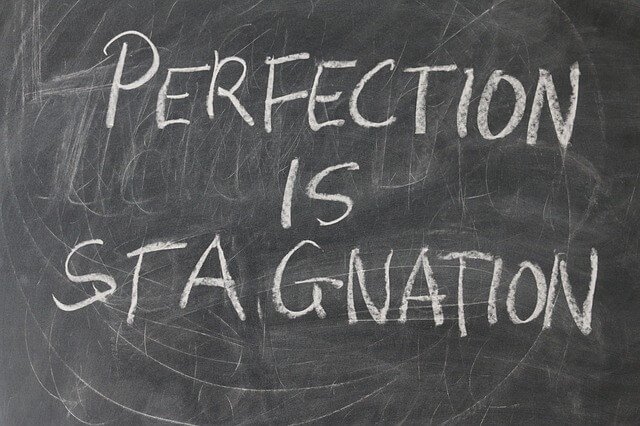
Having perfect writing can be a good thing but separate your writing time from your editing time.
When you keep these two tasks separate, your production will soar.
How to Overcome Writer’s Block
Read
Reading for inspiration is one of the best ways to cure writer’s block.
When you read your favorite author or someone who had overcome writer’s block at some point, it inspires you to get the words out.
Any writer who stays idle and is not well-read will often experience writer block.
Write
Even if you don’t know the words to write down, start writing something down.
Yes, there are no words at the moment, but writing just anything, whether it is a poem, transcribing a song, or an outline for another book.

In doing this, you’ll train your fingertips and mind to start moving, and then your brain will catch up, and the words will flow.
Do Other Activities
We talked about distraction as one of the reasons why you may have writer’s block.
Doing other activities like hiking, seeing a movie, playing puzzles, cleaning your house, or eating a delicious meal is not a distraction but a way to engage yourself.
The sounds, conversations, colors, and emotions from these activities will engulf the once empty space. Perhaps, after the activities, you will be able to write with a new spark of intention.
Don’t Start at the Beginning
Sometimes starting from the beginning to write might be the reason why you have writer’s block.
Why not start from the middle or anywhere that is convenient for you.
This way, you will feel less pressure to get everything right because you are already halfway through.
So, when you get to the beginning, you will feel comfortable writing.
Put Pressure on Yourself
Connected to this is trying to set a timer for your first draft.
Many writers work better and get their best ideas under pressure.
Of course, this does not work for everyone but it may help you.
Conversely – Relax first time around
Sometimes writers get so hung up on getting their draft just right that they can’t seem to finish.
In order to loosen up, you should give yourself permission not only for imperfections but also mistakes in the process of writing a first draft.
Allow your creativity and passion as an author shine through by allowing room for what might come out during the creative process.
Change Your Tools
Changing the tools you use for writing can help with writer’s block.

You can change your physical location or your writing tool or both.
Something as simple as changing from word processor to pen and paper could make a difference in your productivity.
Write For Yourself
In order to reclaim the joy of being creative, you need to write for yourself instead of your potential readers.
Writing with a sense that no one will see it can be freeing and help you get back in touch with what matters most.
A lot has been said about how experienced authors should “write-to-market.”
And while this is important if we’re looking towards publishing our work, pressure from other people’s expectations – which manifests as major blocks – can keep us stuck at square one!
So let go of any thoughts on marketability for now.
Write solely because YOU want to.
Not anyone else’s opinions or standards.
Your writing project will be much less stressful and get back to it being fun.
Learn A New Language
When you choose to do something as challenging as learning a new language, you will experience a new creative push.
You can start with something as simple as learning the Vowels of that language, structure, or melody.
It will also help you research this language, which will open your mind to a whole new life.
Take A Shower
This has nothing to do with personal hygiene but has to do with having a clear mind and feeling refreshed.
Sometimes you may have new ideas when you’re showering, or your brain wanders without restrictions; you daydream or create creative stories while in the shower.
Have Realistic Expectations
As a writer, you may want to be the next J K Rowling, but that won’t happen if you have very high expectations of writing everything in one sitting.
Get ready, show up, research, and write.
Even when you don’t feel like it or it isn’t your best work.
Instead of sitting down to imagine how you’ll write the next big hit, write a little bit every day, and you’ll be able to put up something unique to you.
Overcoming writer’s block is possible; all you need do is see it for the myth that it is.
It is more of a mental block than a creative one, and once you are ready to overcome it, get up every day, carry out any of the tips above, and you’ll see your fear turn into success.
Summary
Some of us struggle without a writing routine or writing process.
For others, writer’s block goes as quickly as it appears.
We do hope that the tips and ideas on this page provide you with a possible solution and help you break free of being stuck.
PLR (private label rights content) is a great way to get articles that you can use to kickstart something bigger and eliminate having to start from a blank slate.
Check out the resources we have at video content plr that will help you get the ball rolling and overcome writer’s block.
PS:- If the tips in this article help you or someone else overcome writer’s block and get your creative juices flowing, please share it on social media.